Introduction
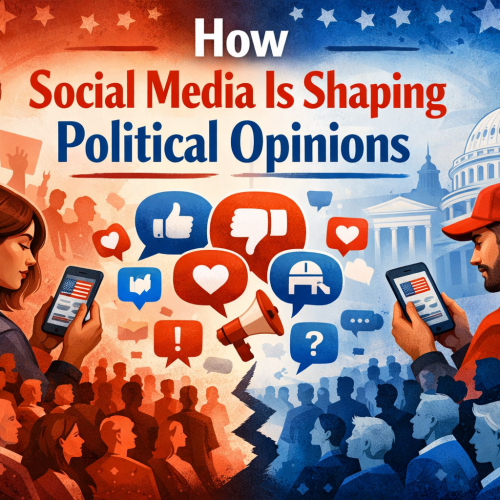
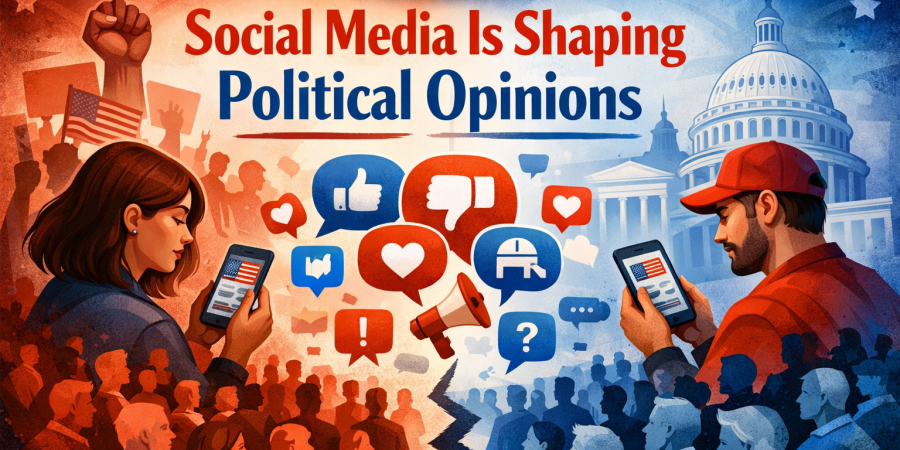
Over the last ten years, social media has quietly rewritten the rules of political influence. Not long ago, most people formed political opinions through newspapers, TV news, radio, and the occasional debate. Today, it’s more likely to happen while someone is scrolling through Instagram, watching a TikTok clip, or reading a heated thread on X (formerly Twitter).
Platforms like Facebook, X, Instagram, and TikTok aren’t just places to connect with friends anymore. They’ve turned into massive public arenas where political ideas spread fast, clash loudly, and sometimes get twisted along the way. With billions of users engaging daily, it’s hard to overstate how much social media shapes what we believe, how we interpret events, and even how we show up at the ballot box.
The Rise of Social Media in Politics
Politics used to feel “filtered”—information moved through editors, journalists, and structured broadcasts. Now, it moves through people.
Anyone with a smartphone can access news in seconds, but the bigger change is that people aren’t just watching politics happen—they’re participating. They share opinions, react instantly, remix content into memes, and push stories into the spotlight simply by liking or reposting them.
That speed and reach have made social media a core tool for political campaigns, activist movements, and governments. It’s quick, cheap compared to traditional media, and incredibly targeted—meaning the same political message can look completely different depending on who’s seeing it.
How Social Media Shapes Opinions
Social media doesn’t just show you politics—it shapes how you experience it. A few key forces drive that influence:
1) Algorithms decide what you see
Social platforms are built to keep you engaged. Their algorithms notice what you click, watch, like, or comment on—and then they serve you more of the same. On the surface, that feels convenient. But over time, it can trap you in a narrow viewpoint.
That’s where the idea of “echo chambers” comes in. If your feed mostly reinforces what you already believe, opposing ideas start to disappear. The result is stronger certainty, less curiosity, and a growing sense that “everyone thinks like me”—even when that isn’t true.
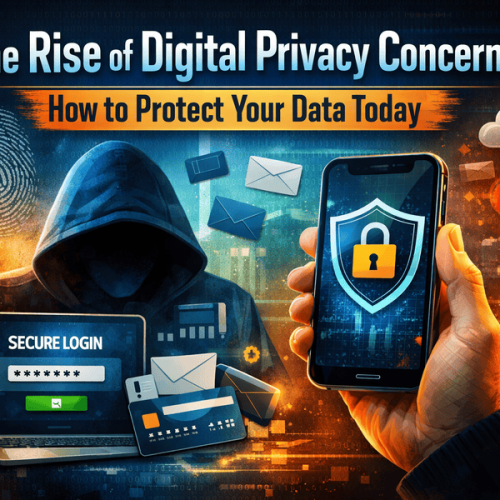
Data breaches and cyber attacks are major problems that can be distressing for both individuals and businesses. When personal data such as passwords, bank card numbers or IDs is leaked, this can lead to one’s money being stolen and identity theft. Apart from the loss of money, the victims also may experience reputation damage that lasts for a very long time and stress. For companies, a data leak can result in legal liability, loss of customers’ confidence, and serious financial damages. This is a definite urge to take powerful data protection measures.
2) Emotion spreads faster than facts
Content that sparks strong feelings tends to perform well online. Anger, fear, outrage, and excitement drive shares and comments, which pushes posts further into the spotlight.
Political content often leans into this on purpose. Dramatic clips, bold claims, and attention-grabbing headlines can shape your emotional reaction to an issue before you’ve had a chance to slow down and think it through.
3) Influencers can become political megaphones
A growing number of people trust creators and personalities more than traditional news outlets. When a popular influencer supports a cause or takes a political stance, it can sway opinions quickly—especially among younger audiences who spend more time online than watching cable news.
4) Misinformation travels easily
One of the most serious problems is how quickly false or misleading information spreads. A post doesn’t need to be accurate to go viral—it just needs to be compelling. And because many users don’t stop to verify what they’re seeing, misinformation can bounce from person to person before corrections ever catch up.
This doesn’t just create confusion. It can damage trust in journalism, elections, and institutions—leaving people unsure of what’s real.
5) Popularity can feel like proof
A post with thousands of likes or shares can feel credible, even if it isn’t. That social approval creates pressure—subtle or obvious—to agree with whatever seems most popular. Sometimes people share content not because they’ve verified it, but because they don’t want to be left out or “on the wrong side” of what everyone seems to support.
The Positive Side of Social Media
Even with the risks, social media has also improved political life in real ways.
It makes information easier to access.
People can follow multiple news sources, hear firsthand accounts, and learn about issues that might never get much attention on traditional media.
It boosts participation.
Social media has encouraged more people to speak up, join discussions, and engage with civic issues. Communities that were ignored or underrepresented in mainstream media can now tell their own stories and organize around shared concerns.
It offers real-time updates.
Whether it’s election coverage, protests, court decisions, or policy changes, social media delivers information as events unfold. That immediacy can help people stay connected to what’s happening in the world.
Challenges and Risks
Still, the political impact of social media comes with serious downsides.
Political polarization is one of the biggest.
When people are exposed to one-sided content and emotionally charged messaging, politics becomes less about discussion and more about division. Conversations can quickly turn into arguments, and disagreement can start to feel like a personal attack.
Manipulation is another concern.
Political groups can use micro-targeted ads, data, and tailored messaging to influence specific audiences. That kind of precision can shape opinions subtly—sometimes without people realizing they’re being steered.
Privacy matters too.
Many users don’t fully understand how their personal data is used to decide what political content they see. Even if you never post about politics, your online behavior can still be used to categorize and target you.
And the speed of social media can weaken critical thinking.
When everything moves fast, people react fast. Headlines get shared without being read. Clips get reposted without context. The constant flow of information can reward quick emotion instead of careful understanding.
How to Stay Informed and Think Clearly
You don’t have to quit social media to protect your thinking—you just need to use it more intentionally.
- Verify before you believe. If something sounds shocking or too perfect, check reliable sources before accepting it as truth.
- Follow a mix of viewpoints. A balanced feed helps you avoid getting trapped in one political bubble.
- Slow down your reactions. If a post makes you angry instantly, that’s a sign to pause and ask: Is this trying to manipulate me?
- Limit overload. Too much political content can cloud your judgment and leave you emotionally drained.
- Use fact-checking tools and credible outlets. They won’t be perfect, but they’ll help you avoid the most common traps.
Looking Ahead
Social media’s role in politics is only going to grow. That’s why debates around regulation, transparency, and misinformation detection are becoming more urgent. Some platforms are exploring stronger labeling systems, improved moderation tools, and AI-based detection methods.
The challenge is finding a balance: protecting free expression while reducing the harm caused by misinformation, manipulation, and online harassment.
Final Thoughts
Social media has changed politics forever. It’s made information faster and participation easier, but it has also opened the door to misinformation, polarization, and emotionally driven decision-making.
In the end, responsibility doesn’t sit with platforms alone—it also sits with us. The more we verify, slow down, and stay open to different perspectives, the more we protect our ability to think clearly in a space designed to influence us.