


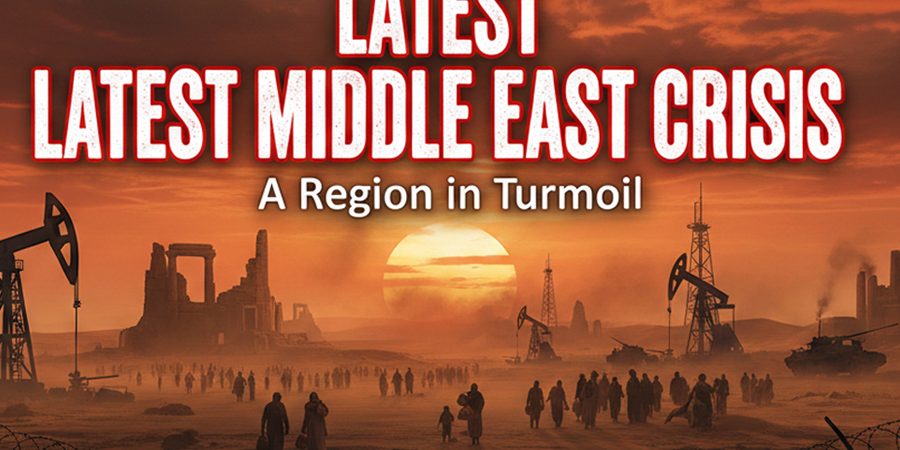
The Middle Eastern region has been hit by the largest humanitarian disaster since World War II, which has affected almost everyone on the planet. What happens in this region affects many regions around the globe. Today we will define what this means and the type of changes that are occurring in the Middle East and throughout the world, in simple terms. No need to use complicated terminology or political jargon.
Why The Middle East Matters So Much
The Middle East is an international crossroads of vital importance. It serves as a conduit between the regions of Asia, Europe and Africa, and is home to the largest reserves of oil and natural gas in the world. Approximately one-third of the world’s oil is transported via the Middle East, which gives this region great significance regarding energy resources for the rest of the world.
In addition to oil, the Middle East is also an essential aspect of global politics and security and affects major world powers when there are conflicts there. As a result, when there is instability in the Middle East, it becomes a global issue, impacting all of us, and not just those living in the region.
What Sparked The Latest Middle East Crisis
The events leading up to today’s Middle East crisis began years ago through the continual state of political divisions and ongoing battles over territory and control among many actors; when you add many years of mistrust and unresolved matters to the mixture, you end up with a situation that could erupt at any time with just one spark.
The best analogy I’ve heard to describe the situation would be that of a pressure cooker. Over time, the pressure cooker builds up heat from earlier steam. Finally, all that pressure builds up until you see the vent rattling. The latest events have done nothing but created additional steam for that pressure cooker and have drawn increased worldwide attention to the situation as it continues to grow increasingly larger.
Impact On Global Peace And Security
Global security is a primary concern with the prospects of the conflict between Israel and the Palestinians escalating. As tensions rise within the region, surrounding nations and others beyond may be at risk of being drawn into the conflict either directly (through military action) or indirectly (through economic sanctions/embargoes).
In essence, an increase in tensions in the Middle East will create uncertainty for governments and citizens worldwide. Governments could increase their military expenditures, increase their levels of security, and/or change their foreign policies in response to these events; citizens may feel instability and fear regarding what will happen next.
Effects On Oil, Energy, And Prices
The most immediately noticeable impact of crises in the Middle East is often in terms of price increases for fuels (both oil and gas). Additionally, the mere fear that supplies may be disrupted is sufficient for energy markets to react negatively.
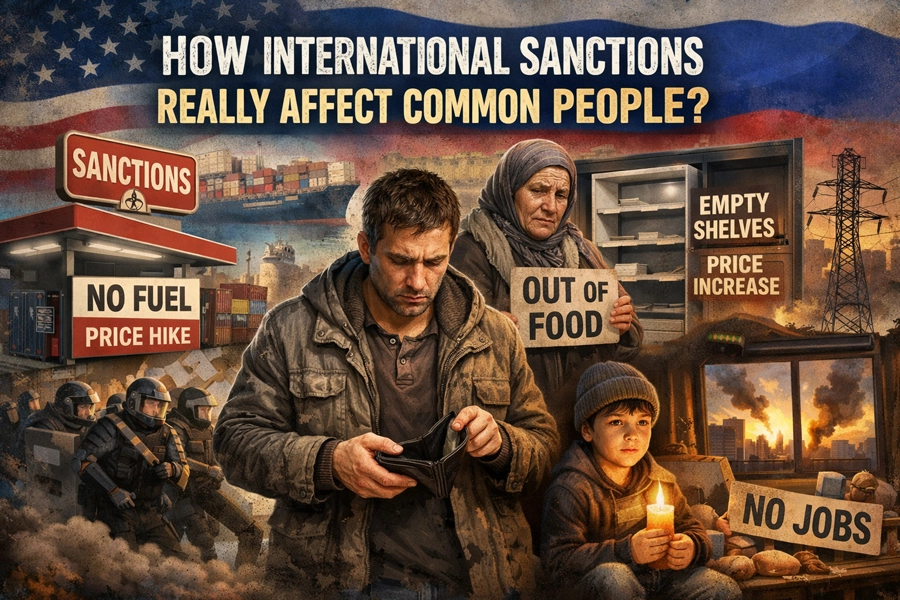
The increase in fuel prices means an increase in transportation costs incorporated into food prices, utility costs (electricity), and the cost of everyday items. This creates a “domino effect,” whereby one cost (e.g., transport) causes subsequent increases (food, electricity, etc.). Therefore, while we may think that these situations are “far away,” we will likely feel these increases in our wallets before we anticipate it.
Economic Consequences For The World
Uncertainty causes problems for global markets and the recent Middle Eastern conflict created significant uncertainty. Therefore, stock market fluctuations could occur, investments may slow, and such uncertainty has a negative impact on the volume of worldwide trade. Economic Development Countries are impacted the worst because they lack adequate financial reserves to withstand exterior economic shocks.
Economic Development Countries will need to make difficult decisions regarding continuing methods of economic development, including the potential for increased amounts of debt borrowing, for example. In summary, a regional conflict can create a downward trend on the entire world’s economy.
Humanitarian Impact And Migration
Beyond politics and money, there’s a deeply human side to this crisis. Millions of civilians face danger, displacement, and loss. When conflicts escalate, people are forced to leave their homes in search of safety.
This leads to increased migration, which affects neighboring countries and even distant regions. Host nations must provide shelter, food, and jobs, often straining their own systems. It’s a reminder that behind every headline, real people are struggling to survive.
What This Means For The Future
So, where does this leave us? The latest Middle East crisis highlights how fragile global stability can be. Diplomacy, dialogue, and cooperation are more important than ever. The world can’t afford to ignore the region or treat its problems as distant issues.
For everyday people, staying informed matters. Understanding these events helps us see why prices change, why leaders make certain decisions, and why global cooperation is essential.
Conclusion
The latest Middle East crisis is more than a regional conflict—it’s a global wake-up call. From energy prices to international security, its effects reach far beyond borders. In a world that’s more connected than ever, what happens there doesn’t stay there. By paying attention and pushing for peaceful solutions, we all have a stake in shaping a more stable future. After all, when one part of the world is on fire, the smoke eventually reaches us all.